
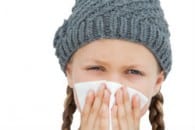
Flu Prevention is Possible
Winter flu germs are preventable. We have carefully researched the following steps that families can take to lower their risk of getting the flu in the first place. We call our flu prevention regimen the outside/inside program: keeping those germs from getting into the body in the first place by careful hygiene; and if they do get in, building the body’s natural immune system to fight these germs so they self-destruct before overwhelming the system.
Show Me the Science
Families can be vulnerable to less-than-credible flu prevention advertising, after all we don’t want our children to miss school and we don’t want to miss work. If someone advises “Take this…” research the potion by asking two questions:
- Is there scientific research from credible universities that show how the supplement or nutrient gets into the body?
- Once inside the body, does it strengthen the immune system to fight germs?
If the answer is “yes/yes,” and it has been proven safe, just take it! The Sears doctors’ promise is that we recommend only flu prevention remedies that are backed by credible science.
Keep the Germs Away from Your Body
Most flu germs are spread in two ways: touching (such as hand-to-hand contact) or what is called droplet spread (meaning the germs ride along on tiny water bubbles that are sneezed or coughed into the air and inhaled by another unsuspecting person). Try these flu prevention tips to avoid person-to-person spread:
- Avoid shaking hands. Instead, bow or give a head nod.
- Avoid nose-picking. The nose is a breeding ground for germs and often the first place germs camp out. Children often pick their noses, rub their eyes, and then touch someone else.
- Sneeze into a disposable handkerchief and teach children to sneeze inside their elbow by covering their mouth and nose.
- Shun coughers and sneezers as much as possible.
- Avoid crowded rooms and frequent the outdoors as much as possible.
Feed your Family Immune-Boosting Foods
Immunity Boosting 101 is basically doing what your mother always said: “Eat more fruits, vegetables, and fish – and go outside and play.” Here’s how I explain the immune system to kids: “Inside your body is an army that fights germs. The soldiers are like millions of tiny Pac Men (they remember the videogame Pac Man). These Pac Men travel throughout the rivers of your body and gobble up the germs that may get in. The better you feed your soldiers, the better they fight the germs. Think of immune-boosting foods like Pac Man foods.” The best foods to build a strong immune system are fruits, vegetables, and seafood. The nutrients in plant foods, such as fruits and vegetables, are called phytonutrients. I call them “phytos” for short. Phytos are what give fruits and vegetables their rich color. Kids like the term “phytos” – as in “fighting” germs. Become a phyto-mom and phyto-dad and tell your kids about “phytoman.” In fact, the deeper the color and stronger the flavor of fruits and vegetables, the greater the germ-fighting benefits of the phytos. Tomatoes, red grapes, blueberries, brussels sprouts, chili peppers, onions, and curry are all good sources of phytos. The best overall food to boost your immune system is wild salmon, at least six ounces twice a week – for both children and adults. Putting more fish and colorful fruits and vegetables on your plate is a big part of flu prevention.
Change Your Oils
| Oils that boost the immune system | Oils (in excess) that can weaken the immune system |
| Coldwater fish (especially wild salmon) Fish oil supplements Flaxseeds, ground Flax oil Olive oil Nuts Spices (turmeric and cinnamon) | Partially hydrogenated oilsCorn oil Safflower oil Soybean oil Sunflower oil |
Take Immune-Boosting Supplements for Flu Prevention
To help with flu prevention we advise patients in our medical practice to take two supplements:
- Omega-3 fish oil: at least 600 mg. (DHA plus EPA combined) daily;
- Fruits and vegetable extracts, such as Juice Plus.
There is more science behind Juice Plus and the immune-boosting phytos than any other fruit and vegetable supplement. This is why we recommend it. Yet, remember, supplements are just that – in addition to and not instead of a nutritious immune-boosting diet.
Avoid Too Many Sweets
Eating or drinking 8 teaspoons of sugar (the equivalent of 2½ 12-ounce cans of soda) can reduce the ability of white blood cells to kill germs by 40 percent. The immune-suppressing effects of sugar starts less than 30 minutes after you eat it and may last for five hours. Especially avoid foods that contain high fructose corn syrup. In our experience, the foods that contain this artificial sweetener tend to be junky in other ways. For adults, avoid excessive alcohol. Alcohol, like sugar, consumed in excess, can reduce the ability of white blood cells to kill germs. My main nutritional message, especially for fly prevention, is to just eat real foods, especially more fruits, vegetables and seafood.
Keep the Nose and Sinuses Clear
Flu germs often settle first in the nose and sinuses. Then the body’s normal infection-fighting system is to pour out mucus into the nose and sinuses. Yet, this fluid gunks up the nose and sinuses, and like water in a stagnant pond, gets infected. What we see a lot in our office is a week or so after healing from the flu you or your child comes down with a sinus infection, ear infection, or respiratory tract infection. My simple prescription keep nasal passages and sinuses clear for flu prevention is a “nose hose” and a “steam clean.”
Enjoy A Nice “Nose Hose”
Make your own saltwater nose drops (½ teaspoon of salt to 8 ounces of water) or buy a ready-made saltwater (saline) solution at your local pharmacy or supermarket. Spritz a few drops of the solution into your clogged nasal passages and sneeze or gently suction out the loosened secretions using a nasal aspirator, also available at your local pharmacy.
A Neti Pot is Nice for Flu Prevention
“Neti” in Indian or Ayurvedic medicine means “water cleansing.” I have personally used this handy nasal cleaner and have recommended it in our medical practice as a very effective way to unclog sinuses. My little patients call this handy nose hose “Aladdin’s lamp” because it looks like one. They are available at most pharmacies. The directions come in the pot package. Add warm saltwater to the pot, tilt your head to one side, and insert the spout of the pot in the upper nostril. The water then flows through one nostril and out the other, flushing the nose and pulling gunk out of the sinuses. I believe that the Neti Pot is one of the most under-appreciated medicine devices for flu prevention.
The Best Way to Blow Your Nose
- Don’t hold both nostrils tightly while you blow or blow forcefully. This can hinder flu prevention by forcing nasal secretions into the sinus cavities and cause sinus infection.
- Do blow gently, one nostril at a time. This allows snotty nasal secretion to get into the handkerchief instead of into the sinuses.
Savor a “Steam-Clean”
Another way to loosen nasal and sinus secretions is to use a facial steamer (available at pharmacies). Put the steamer on a table or prop it up with a few books. Add 2 drops of eucalyptus oil to the water. Insert your face into the steamer while taking deep breaths of the nasal-flushing warm moist air. To get your mind off your nose, do the “steam-clean” while watching TV. A before-bed steam-clean (even in a warm shower) is particularly useful for flu prevention.
Vaporizers are very Helpful for Flu Prevention
In winter, turn the heat down and put the vaporizer on. Run a warm-mist vaporizer in your bedroom. The dry winter air of central heating can thicken nasal and bronchial secretions, further compromising your airways. Normally, the airways are lined with millions of tiny filaments, or cilia, which flop back and forth like conveyor belts to move the mucus forward so it can be coughed or sneezed out. Dry air dries out the mucus and slows these conveyor belts. Vaporizers have a double benefit: Besides adding nasal-friendly humidity to dry winter air, a vaporizer acts as a healthy heat source. Steaming sterilizes the water. And, remember your high-school physics? As steam condenses, heat is released; this can keep a small bedroom comfortably humid and toasty. You not only save fuel costs, but you wake up with a clear nose.
While humidifiers are fine, they are not as nose-clearing as vaporizers, especially during colder months. Humidifiers don’t put out hot steam and they are more difficult to keep clean. While the mist does produce humidity, it is not sterile and doesn’t act as a heat source nearly as well as a vaporizer.
Relax!
Fascinating new studies show your immune system actually gets stronger, especially to flu viruses, during meditation. Again, mother was right: “Don’t worry, be happy!” If you worry too much about flu prevention, you’re more likely to get it.