
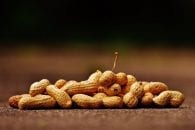
Praise for Peanut Butter! Could life go on without peanut butter? Yes, but not as pleasurably. Not only is peanut butter a nutrient-dense food, it is one that most children enjoy. Parents like its convenience. Two tablespoons of peanut butter, the usual amount for filling a peanut butter and jelly sandwich contains:
• 8.5 grams of protein
• 4 milligrams of the B-vitamin niacin (one-third the RDA for a pre-teen child)
• a touch of fiber, calcium, folic acid, zinc, and iron
• all this in 200 calories that provide a high source of energy for a busy child.Problems with Peanut Butter
While peanut butter is a favorite and nutritious family food, the peanut is not without its problems.
• Children who are allergic to peanuts are very allergic and, unlike many other food allergies, this is one they usually don’t outgrow. If your child is allergic to peanut butter, be sure you warn the school (children share lunches) and other adults (such as playmates’ parents) who may be serving your child snacks. Some people are so allergic to peanuts that even a whiff could trigger an asthmatic attack. This scare has recently prompted some airlines to have “peanut-free zones” on their flights. Beware of peanut butter hidden in candies and some Asian dishes. People who are allergic to peanut butter (which is a legume and not, strictly speaking, a nut) can often tolerate other nutbutters, such as almond and cashew. Try these alternatives carefully. Avoiding peanut butter during pregnancy and lactation may lower the chances of your infant being sensitized to peanut butter and later becoming allergic.
• For safety’s sake spread nutbutters on bread or crackers rather than allowing children to wolf down a fingerful. Globs of peanut butter and other nutbutters can cause choking.
• Be careful of a toxic mold called “aflatoxin” that can grow on rancid peanut butter or spoiled peanuts. Peanut butter manufacturers are highly aware of this potentially toxic mold and take strict manufacturing precautions to eliminate it. Commercially-available peanut butters are safe. If you grind your own nuts into peanut butter, take care to use roasted nuts that are fresh.
• While the fat in peanut butter is about 80 percent unsaturated, hydrogenated oils may be added to the peanut butter to increase the shelf life. If hydrogenated oil is added, it must be listed on the label. You can tell whether or not peanut butter contains hydrogenated oil by whether it separates when it sits on the shelf. When non-hydrogenated peanut butter sets, the natural oils will rise to the top, and you have to stir the oil into the peanut butter after you open it. If there is no oil floating on the top of the peanut butter when you open a new jar, check the ingredient list. It probably contains hydrogenated oils.
PEANUT BUTTER TIP
Hold the jar upside down to help the oil settle throughout the butter. This saves a lot of messy mixing.