AskDrSears Logo
homeabout searsbooksnewsletterfaqsresourcesnewsstorecontact us
what's newregular featurespediatric newsDoctor's Diaries


Search


pregnancy & childbirth
breastfeeding
bottlefeeding
feeding infants & toddlers
family nutrition
discipline & behavior
fussy babies
sleep problems
childhood illnesses
medicine cabinet
a to z index
GoFish Omega 3 DHA Attachment Parenting Vaccines Lean


A-to-Z Index

  • Sign-up for E-Newsletter
  • Special Offers
  • Send to a Friend
close
   
Get important information and valuable advice from the Dr. Sears Family
Email:
First Name:
Would you also like to receive special promotions on Dr Sears Books and Products?
Yes No


Your privacy is a PRIMARY consideration of AskDrSears.com. Your e-mail address is used ONLY by AskDrSears.com for the purpose of announcing news, events and special offers available only AskDrSears.com registered users.
close
Balboa Sling

Dr. Sears Original Baby Sling, by Balboa Baby
Same safety features you’ve come to trust, new updated design. Seven new patterns to choose from. Designed to grow, Dr. Sears Original Baby Sling, by Balboa Baby, offers comfort and hands-free motion while promoting bonding.

Introductory Special $10.00 off exp 07/31/08
discount code: newsling

Click here to order.


*Not valid in conjuction with any other offers.
close
Your Information:
Email:
First Name:
Please send me your newsletter
I would also like to receive special promotions on Dr Sears Books and Products?
    Send to:
Email:
First Name:
Message to friend:


Your privacy is a PRIMARY consideration of AskDrSears.com. Your e-mail address is used ONLY by AskDrSears.com for the purpose of announcing news, events and special offers available only AskDrSears.com registered users.
INSECT BITES AND STINGS
You are giving your child a bath and notice several bumps that weren't there earlier that day. They are scattered throughout the legs, but nothing is present on the upper body. She seems to have been scratching them. What could they be? The most common cause of such spots is insect bites. Here is the Dr. Sears guide to taking care or insect bites.

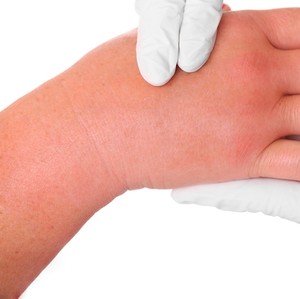
Almost everyone has experienced insect bites, so it is no mystery what they look like. The main issue with insect bites is to treat the itching and to prevent infection.

THREE MAIN TYPES OF INSECT BITES
  • Spider bites - these are the largest type of bite, often creating a large, raised, circular area with a visible pinpoint bite mark in the middle. They can grow in size and redness for several days, and tend to be quite painful. They can number from just one to 5 or 10, often in a straight line or confined to one body area. Spiders often travel across a body part at night, snacking along the way. The initial bite is often painful, but not always.

  • Flea bites - these usually occur in greater numbers than spider bites, and mostly occur on the legs (and the diaper area for crawling and sitting infants). They often are not painful at the time of the bite, and usually become increasingly itchy. Different people will react to flea bites to varying degrees. Some people are very sensitive to flea bites. Common places to get flea bites include houses with pets, beaches (sand fleas) and parks.

  • Mosquito bites - these usually occur in exposed areas such as hands and forearms, ankles, and neck. They are usually quite obvious, and you often will know that you and your child were outside in a mosquito environment.

TREATING INSECT BITES
  • Itching - this can be treated with benadryl by mouth (click here for dosing), or a variety of over-the-counter itch-stopping products applied directly to the bite. Be careful, these can sting if the bite has been scratched open. Pink Calamine lotion or Aveeno anti-itch cream with calamine can be very effective for itching, but be aware that if placed on a bite that has been scratched open, it may increase the chance of scarring. Benadryl cream is also available, but should only be used sparingly if you are also giving Benadryl by mouth to avoid overdose.

  • Cut the fingernails - this will decrease the risk of infection being introduced into the bites, and will lessen the chance of scarring.

  • Stinging or burning - apply a cold washcloth to any particularly large, burning, stinging or itching bites.

  • Prevent infection - flea bites and mosquito bites usually don't require any special measures to prevent infection of the surrounding skin. Insect bites will normally have some amount of redness and swelling, as well as a bit of clear drainage. Spider bites, however, tend to create a much larger area of redness and swelling. While this is normal, it does increase the risk of infection developing in the bite. Before a bite becomes infected - here are some measures you can take to prevent a large spider bite from becoming infected. Follow these steps two or three times a day:

    • Wash the bite with warm soapy water.

    • Apply some diluted hydrogen peroxide (mix ½ water with ½ peroxide).

    • Wash off the peroxide after two minutes.

    • Apply an over-the-counter antibiotic ointment.

    • Ice applied to a large spider bite can decrease the pain and burning.

      Following these steps will usually prevent an infection from setting in.

  • Infected bites - if the red area around the bite continues to enlarge, becomes more swollen and painful, and starts to drain pus, then it has become infected. Here are some steps you should follow three times a day if this occurs:

    • Wash with warm soapy water.

    • Apply a hot washcloth to the area for 10 minutes.

    • Apply diluted hydrogen peroxide, then wash off after two minutes.

    • Apply diluted Betadine solution (mix ¼ of this over-the-counter brownish red antiseptic with ¾ water) and let it dry for two minutes.

    • Thoroughly wash off all Betadine.

    • Apply over-the-counter antibiotic ointment. If your doctor will call in a prescription strength ointment called Bactroban, then this may work better.

      It may take one or two days for this treatment to start to improve the infection, but it should not keep getting worse during this treatment.

  • More serious infection - if the redness and drainage continue to worsen, or your child develops fevers or red streaks extending out from the bite, then you should see your doctor right away. If it is after hours, you should page your doctor. Your child will probably need antibiotics to treat the infection.

WHEN TO SEE OR CALL THE DOCTOR
Besides as stated above under infection, there are three other situations that may require the doctor's attention.

  • Bites on the ear - the cartilage in the ear is more susceptible to becoming infected from an insect bite. Follow the precautions as above to prevent infection, but also be sure to use warm soaks from the start (instead of only if an infection sets in). If it does become infected, see your doctor. You may need antibiotics sooner than normal bites.

  • Brown Recluse spider bites - this particular spider bite can form a large purple irregularly shaped blister surrounded by a red ring. Over the next few days, the blister opens and an ulcerated area forms. This looks like an infected crater forming at the bite. If you suspect this bite, see your doctor. This ulcerated area can continue to enlarge if not treated promptly by a physician. This brown spider has a dark-orange violin-shaped mark on it's head and tends to live in dark, dry places such as vacation homes or abandoned houses. If you can, bring the spider to your doctor or ER.

  • Black widow - this spider has a red hourglass on the body. Bites from this spider have a 5 % fatality rate. The bite seems normal, but within less than an hour generalized symptoms occur, including muscle cramps, painful muscle spasms, loss of sensation or tingling, headache, dizziness, vomiting, or trouble swallowing. Go to an ER or call 911 if you are bitten by a known black widow spider or you experience theses symptoms. Bring the spider with you.


Insect stings or bites can cause two potential problems:
  • An infection at the puncture site.

  • An allergic reaction to the injected venom.

REMOVING STINGERS
A bee leaves its stinger and its attached venom sac in the wound. Scrape away the protruding venom sac with a sharp knife or the edge of a credit card before removing the rest of the stinger. (Squeezing the sac with tweezers will force more venom into the skin.) Wasp stingers do not have an attached venom sac. After removing the stinger with tweezers, apply ice to the sting site as this slows the spread of venom and eases the pain.

ALLERGIC REACTIONS
Signs of an allergic reaction are:

  • Swollen hands and eyelids

  • Wheezing

  • Hive-like rash.

If your child has localized swelling around the sting site, apply ice and wait before calling your doctor. If a severe allergic reaction is going to occur, expect it to happen within an hour of the sting. If the above signs of systemic allergy occur, take your child immediately to your doctor's office or emergency room. The most concerning allergic sign following a sting is wheezing or difficulty breathing.

The second sting may produce a more sever allergic reaction than the first. If your child showed any of the above signs from the first bee sting, here is a wise precaution: As soon as your child is stung, apply an ice pack and immediately go and sit in the local emergency room. If no allergic signs appear within a couple of hours, then it is safe to return home.

If your child has a history of severe allergies to insect stings, discuss with your doctor about desensitizing the child to insect stings with a series of shots. If you are traveling and your baby has had severe reactions to stings, take along a prescription insect-sting kit that contains Adrenalin and directions on how to administer it.

   
Home | About Sears | Books | Newsletter | FAQs | Resources | News | Store | Contact Us | Site Map | Privacy Policy    

AskDrSears.com is intended to help parents become better informed consumers of health care. The information presented in this site gives general advice on parenting and health care. Always consult your doctor for your individual needs.

© Copyright 2006 AskDrSears.com. All Rights Reserved.