If only we lived and shopped in a pure world where labels told the whole truth and nothing but the truth. But while consumers rely on labels to make wise nutritional choices, food processors use labels to sell their product. Sometimes the two functions of a label – providing accurate information and enticing someone to buy the product – are in conflict. Labels can be misleading, especially if you don’t learn to read between the lines and examine the fine print. Knowing what the words on the label really mean is a big step in learning to make nutritious choices at the supermarket.
FRONT-OF-PACKAGE LURES
Ignore the hype on the front of the package. This part of the label is designed by the food processor’s marketing and advertising departments. It will contain whatever trendy words will help sell the product. While the meanings of many of these terms are regulated by law, it’s still easy to be deceived by them. The food may not be as good for you as these large and colorful words want you to believe. Manufacturers cannot legally lie on a food label, but they can stretch the truth a bit. Be wary of these tricky terms:
1. Consider the word “pure.” Everyone wants to eat food that’s pure. You would not want to put contaminated food into your body. But “pure” has no regulated, agreed-upon meaning in food labeling. It tells you nothing about what’s in the package that perhaps should not be there.
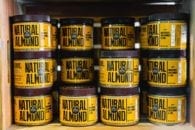
2. “Natural” is probably the least trustworthy of all the label terms. While the term “natural” sounds appealing, it really says little about the nutritional quality of the food, or even its safety. In reality, “natural” is empty of nutritional meaning. Consumers believe that “natural” means the food is pretty much as Mother Nature grew it, but this is seldom the case. And even then, “natural” is not the same as nutritious, or good for you. The fat marbling in a New York strip steak is “natural,” but it’s not good for your arteries.
3. “Made from” simply means the food started with this product. For example, the claim “made from 100 percent corn oil” may be technically correct, yet it is misleading. Consumers are led to believe they are eating 100 percent corn oil. They think of fields of corn under a clear blue Iowa sky. But a lot can happen to corn oil before it gets to the grocery store. The label really means the processor started with 100 percent corn oil, but along the way may have diluted or hydrogenated it, changing it into a fat that will clog your arteries, not one that flows free and golden. Another common label lie is “made from natural…” This simply means the manufacturer started with a natural source, but by the time the food was processed it may be anything but “natural.”
4. “Made with real fruit” is a good example of a misleading claim. The law does not require the label to say how much real fruit is in the product. This boast is particularly prevalent in snacks for children, which may contain a grape or two in a snack that is otherwise mostly sugar. “Made with whole grains” is another little “white” label lie. The consumer is led to believe that this is a whole-grain cereal or waffle, yet the package label is not legally required to say how much “whole grain” is in the product. Its main ingredient could be refined flour with just a small amount of whole wheat added. So, the food won’t contain all the fiber and other nutrients associated with whole grains. “Made with vegetables” is another misleading term, which sounds healthy, but says nothing about how much nutrition is really in the box.
5. Understand the real meaning of “fat free” on a label. For example, suppose a food is labeled 95 percent “fat-free.” This means that five percent of the total weight of the food is fat, (which may not seem like much), yet a single gram of fat contains nine calories compared to four calories in a gram of protein or carbohydrates. Five grams of fat in 100 grams of ground or dark-meat turkey represents a significant chunk of the calories in that serving.
6. “Enriched” is a tip-off that something bad was done to the food, requiring another process to put some of the good stuff back in. Enriched flour or enriched white bread are not as healthy as their whole wheat counterparts.
7. “Smoked” legally describes the flavor of the food, not how it was smoked. The consumer imagines the food is smoked in a backyard barbecue or an old-fashioned smokehouse. Really, the food could be artificially or chemically smoked and/or just contain smoked flavoring and still legally be labeled “smoked.”
8. Beware of fruit “drinks,” which may contain little or no real fruit juice. Look at the ingredients to find out what’s really in there. “Drink” on the name of the product tells you that it is not 100 percent juice. It may, in fact, be mostly sugar and water, with added vitamin C. This enables the manufacturer to say the product is “high in vitamin C,” even if it’s a long way from being real orange juice.
9. The terms “organically grown,” “organic,” pesticide-free,” “all natural,” and “no artificial ingredients” say very little about the nutritional value or safety of the product. Trust only labels that say “certified organically grown.” These are the only words that mean the food was grown without chemical fertilizers and pesticides, in soil free of these substances. Learn more about what “organic” means here: FAQs About Organic Foods.
Experienced label-readers look right past the banners and big hype on the front of the package and look for the facts in small print on the back. See our article here to learn How to Read a Package Label.