
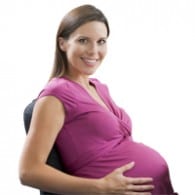
24 Ways to Ease Morning Sickness
The term “morning sickness” is misleading, as this queasiness can occur in the morning, afternoon, evening or middle of the night. Although it is inevitable and unavoidable, here are 24 ways to ease morning sickness.
1. Avoid Morning Sickness Nausea Triggers
The most common offenders you should eliminate to ease morning sickness include body odors, stale or leftover food in the fridge, coffee, gasoline, solvent fumes, garbage, scented cosmetics and toiletries, and pungent aromas of cooking foods.
2. Make “Designer” Days
Compare your good and bad days. As much as humanly possible, design your day to avoid the known triggers that set off morning sickness. If wet dog smells or litter box stench gets to you, let someone else get them out of your way. WARNING! During pregnancy, avoid cat feces because they may contain toxoplasmosis bacteria, which can cause serious damage to the baby.
3. Eat Before Your Feet Hit the Floor
If you start the morning off sick, you are likely to stay sick all day. Set a tray of easy-to-digest favorites at your bedside to ease morning sickness. When you need to use the bathroom in the middle of the night, treat your stomach to a nibble or two while you’re up. Continue to munch all morning, carrying your nibble tray around with you; if necessary—yes, even in the car and by your desk at work.
4. Ease Into Your Day
If you don’t have to awaken at a set time, don’t. Ask your mate to get up quietly without disturbing you, and slowly wake up in your own time.
5. Graze to Your Stomach’s Content to Ease Morning Sickness
Low blood sugar can trigger morning sickness nausea, and it may occur when you wake up or anytime you go hours without food. Grazing on nutritious mini-meals throughout the day keeps your stomach satisfied and your blood sugar steady.
6. Nibble, Nibble and Nibble on Stomach-Friendly Foods
Because high-fat, spicy and some high-fiber foods are harder to digest, consume easily digestible foods to ease morning sickness, such as liquids, smoothies, yogurts and low-fat, high-carb foods. Avoid hard-to-digest fatty foods and fried foods when experiencing morning sickness, such as premium ice cream, french fries and fried chicken.
7. Eat Nutrient-Dense Foods
Include California avocados, kidney beans, cheese, fish, nut butter, whole-grain pasta, brown rice, tofu and turkey. If peanut butter is too strong, try almond or cashew butter, and spread it thinly on crackers, bread, apple slices or celery sticks.
8. Avoid Dehydration by Eating Foods that Stimulate Thirst
Remember the three P’s (pickles, potato chips and pretzels) to avoid letting your saliva hit an empty stomach. An empty stomach is hypersensitive to saliva, and nausea will soon follow. Ease morning sickness by lining your stomach with milk, yogurt or ice cream before eating a saliva-stimulating food such as salty foods, or dry foods such as crackers. Try peppermint candies or gum to help with nausea, but not on an empty stomach. Also chew gum containing sugar to avoid chemical sweeteners, and eat foods with a high water content to ease dehydration that aggravates nausea. You should include melons, grapes, frozen fruit bars, lettuce, apples, pears, celery and rhubarb.
9. Take Prenatals with your Biggest Meal
Vitamins can be a big trigger of nausea and morning sickness — unless they are taken with a large meal.
10. Eat High-Energy Foods
Complex carbohydrates act as time-release energy capsules, slowly releasing energy into your bloodstream and helping to keep your appetite satisfied. The main food group represented here is grains (rice, corn, wheat, oats, millet, barley), found in breads, cereals, pastas and crackers.
11. Stick to Feel-Better Favorites that Ease Morning Sickness
Make a list of foods that help you ease morning sickness. While this list may change, it can help you avoid food triggers that make you ill.
12. Make Yourself Eat
No matter whether you feel like it or not—eat something. If you don’t eat, you will get an acid-filled stomach and low blood sugar.
13. Get Out and See the World
Visit friends, go to a movie, rest in a hammock, take a walk at lunchtime or go to a park with friends. Any change of scenery may provide a stomach-settling distraction to morning sickness.
14. Drive, Don’t Ride
Some women find that by doing the driving instead of riding, they have less of a morning sickness problem. This explains why the helmsman on a boat is the least likely to get seasick.
15. Delegate, Delegate, Delegate
Ease morning sickness by delegating tasks to “Mr. Mom” or to older kids. Post a list of “These things bother mom…These things make mom feel better.” Let your spouse mop the floor, cook easier meals, and if the entire family has to eat cheese, crackers and carrots for a few meals, they will survive.
16. Plan Ahead
If you know what makes you miserable, arrange for detours around the things that trigger nausea. Follow this checklist:
- If cooking odors bother you, consider cooking and freezing foods on days you feel well.
- Buy more convenience foods.
- If you are invited to another home for dinner, offer to bring a dish you know you’ll be able to eat.
- Carry your reliable edibles with you. When a hunger surge hits, the nausea is sure to follow if you don’t have a tried-and-true tidbit handy.
17. Ease Morning Sickness by Reducing Stress
Prenatal researchers feel it’s better for a baby in utero to be spared a steady barrage of stress hormones—and stress can increase your nausea cycle. Learning to reduce stress now is good practice for maintaining serenity as a new mother. Remind yourself that what your baby needs most is a happy, rested mother, both before and after birth.
18. Try Acupuncture
Both Eastern and Western medical practitioners describe a pressure point about two inches above the crease on the inner aspect of the wrist. If this pressure point is stimulated, it may relieve nausea and vomiting associated with pregnancy. With other conditions similar to morning sickness, such as seasickness, Sea Bands® can be worn around one or both wrists. Each band contains a button to press on the vomiting-sensitive pressure point. These bands have been proven effective by research studies and are available without prescription at pharmacies and marine stores.
19. Dress Comfortably
Wearing loose clothing can help ease morning sickness. Many mothers find that anything pressing on their abdomen, waist or neck is irritating and nausea triggering.
20. Position Yourself for Comfort
Heartburn is another common part of the morning sickness package. This burning feeling, caused by reflux of stomach acids into the lower esophagus, occurs more frequently during pregnancy when hormones, again, relax the stomach walls. For heartburn, keep upright or lie on your right side after eating. Lying on your back is more likely to aggravate heartburn.
21. Sleep it Off
It’s fortunate that the extreme need for sleep coincides with the morning sickness phase, so you will want to ensure that sleep goes on as long as possible.
22. Have One Last Meal Before Bed
Before going to bed, eat a meal or snack, preferably fruit and long-acting complex carbohydrates (grains and bland pasta) to ease morning sickness. These foods slowly release energy into your bloodstream throughout the night, but are unlikely to keep you awake. Add to these natural antacid foods—milk, ice cream and yogurt— to neutralize upsetting stomach acids as you drift off to sleep. Also consider taking chewable calcium tablets, which act as antacids, before retiring or upon awakening.
23. Eat Anyway!
While it’s not uncommon for women to feel that nothing tastes good, not eating can actually aggravate the cycle of morning sickness nausea.
24. Be Positive to Ease Morning Sickness
Lastly, choose who you share your misery with. Mothers who have been there and felt morning sickness will understand; others won’t. When you’re having a day you can’t keep anything down, keep your eyes on the prize—the precious baby-to-be!

Dr. Sears, or Dr. Bill as his “little patients” call him, has been advising busy parents on how to raise healthier families for over 40 years. He received his medical training at Harvard Medical School’s Children’s Hospital in Boston and The Hospital for Sick Children in Toronto, the world’s largest children’s hospital, where he was associate ward chief of the newborn intensive care unit before serving as the chief of pediatrics at Toronto Western Hospital, a teaching hospital of the University of Toronto. He has served as a professor of pediatrics at the University of Toronto, University of South Carolina, University of Southern California School of Medicine, and University of California: Irvine. As a father of 8 children, he coached Little League sports for 20 years, and together with his wife Martha has written more than 40 best-selling books and countless articles on nutrition, parenting, and healthy aging. He serves as a health consultant for magazines, TV, radio and other media, and his AskDrSears.com website is one of the most popular health and parenting sites. Dr. Sears has appeared on over 100 television programs, including 20/20, Good Morning America, Oprah, Today, The View, and Dr. Phil, and was featured on the cover of TIME Magazine in May 2012. He is noted for his science-made-simple-and-fun approach to family health.