

10 Foods That Balance Your Immune System
Adequately feeding your immune system boosts its fighting power. Immune boosters work in many ways. They increase the number of white cells in the immune system army, train them to fight better, and help them form an overall better battle plan. Boosters also help to eliminate the deadwood in the army, substances that drag the body down. Here are ten foods that boost your immune system to add to your family’s diet to cut down on days missed from work and school because of illness.
Vitamin C
Vitamin C tops the list of foods that boost your immune system for many reasons. There has been more research about the immune-boosting effects of Vitamin C than perhaps any other nutrient. Vitamin C supplements are inexpensive to produce, and it’s available naturally in many fruits and vegetables. Also, you can buy a vitamin-C-fortified version of just about anything. Here’s what the research shows about how this mighty vitamin protects your body.
Foods that boost your immune system containing vitamin C increase the production of infection-fighting white blood cells and antibodies and increases levels of interferon, the antibody that coats cell surfaces, preventing the entry of viruses. Vitamin C reduces the risk of cardiovascular disease by raising levels of HDL (good) cholesterol while lowering blood pressure and interfering with the process by which fat is converted to plaque in the arteries. As an added perk, persons whose diets are higher in vitamin C have lower rates of colon, prostate, and breast cancer.
You don’t have to take in massive amounts of vitamin C to boost your immune system. At least 200 milligrams a day seems to be a generally agreed-upon amount and one that can be automatically obtained by eating at least six servings of fruits and vegetables a day. See
Top Seven Vitamin C-Containing Fruits
. If you take vitamin C supplements, it’s best to space them throughout the day rather than take one large dose, most of which may end up being excreted in the urine.
Vitamin E
This important antioxidant and immune booster doesn’t get as much press as vitamin C, yet it’s one of the most important foods that boost your immune system.
Vitamin E stimulates the production of natural killer cells, those that seek out and destroy germs and cancer cells. Vitamin E enhances the production of B-cells, the immune cells that produce antibodies that destroy bacteria. Vitamin E supplementation may also reverse some of the decline in immune response commonly seen in aging. Vitamin E has been implicated in lowering the risk of cardiovascular disease. In the Harvard School of Public Health study of 87,000 nurses, Vitamin E supplementation was shown to cut the risk of heart attacks by fifty percent.
It’s not difficult to get 30 to 60 milligrams every day of Vitamin E from a diet rich in seeds, vegetable oils, and grains, but it’s difficult for most people to consume more than 60 milligrams a day consistently through diet alone. Supplements may be necessary to get enough vitamin E to boost your immune system.
You need 100-400 milligrams per day, depending on your general lifestyle. People who don’t exercise, who smoke, and who consume high amounts of alcoholic beverages will need the higher dosage. Those with a more moderate lifestyle can get by with lower levels of supplementation.
Carotenoids
Beta carotene increases the number of infection-fighting cells, natural killer cells, and helper T-cells, as well as being a powerful antioxidant that mops up excess free radicals that accelerate aging. Like the other “big three” antioxidant foods that boost your immune system, vitamins C and E, it reduces the risk of cardiovascular disease by interfering with how the fats and cholesterol in the bloodstream oxidize to form arterial plaques. Studies have shown that foods that boost your immune system containing beta carotene can lower the risk of cardiovascular disease, especially strokes and heart attacks, giving scientific credence to the belief that a carrot a day can keep the heart surgeon away. Beta carotene also protects against cancer by stimulating the immune cells called macrophages to produce
tumor necrosis factor
, which kills cancer cells. It has also been shown that beta carotene supplements can increase the production of T-cell lymphocytes and natural killer cells and can enhance the ability of the natural killer cells to attack cancer cells. Beta carotene is the most familiar carotenoid, but it is only one member of a large family. Researchers believe that it is not just beta carotene that produces all these good effects, but all the carotenoids working together. This is why getting carotenoids in food may be more cancer-protective than taking beta carotene supplements. The body converts beta carotene to vitamin A, which itself has anticancer properties and immune-boosting functions. But too much vitamin A can be toxic to the body, so it’s better to get extra beta carotene from foods and let the body naturally regulate how much of this precursor is converted to the immune-fighting vitamin A. It’s highly unlikely that a person could take in enough beta carotene to produce a toxic amount of vitamin A, because when the body has enough vitamin A, it stops making it.
Bioflavenoids
A group of phytonutrients called bioflavenoids aids the immune system by protecting the cells of the body against environmental
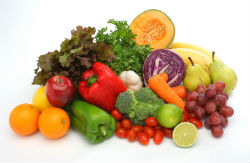
pollutants. Bioflavenoids protect the cell membranes against the pollutants trying to attach to them. Along the membrane of each cell there are microscopic parking spaces, called receptor sites. Pollutants, toxins, or germs can park here and gradually eat their way into the membrane of the cell, but when bioflavenoids fill up these parking spots there is no room for toxins to park. Bioflavenoids also reduce the cholesterol’s ability to form plaques in arteries and lessen the formation of microscopic clots inside arteries, which can lead to heart attack and stroke. Studies have shown that people who eat the most bioflavenoids have less cardiovascular disease. A diet that contains a wide variety of foods that boost your immune system like fruits and vegetables, at least six servings per day, will help you get the bioflavenoids needed to help your immune system work in top form.
Zinc
This valuable mineral increases the production of white blood cells that fight infection and helps them fight more aggressively. It also increases killer cells that fight against cancer and helps white cells release more antibodies. Zinc supplements have been shown to slow the growth of cancer. Zinc increases the number of infection-fighting T-cells, especially in elderly people who are often deficient in zinc, and whose immune system often weakens with age. The anti-infection hype around zinc is controversial. While some studies claim that zinc supplements in the form of lozenges can lower the incidence and severity of infections, other studies have failed to show this correlation. A word of caution: too much zinc in the form of supplements (more than 75 milligrams a day) can inhibit immune function. It’s safest to stick to getting zinc from your diet and aim for 15 to 25 milligrams a day. For infants and children, there is some evidence that dietary zinc supplements may reduce the incidence of acute respiratory infections, but this is controversial. Zinc-fortified cereals are some of the best foods that boost your immune system.
| RICH SOURCES OF ZINC | ||
|---|---|---|
| Food Source of Zinc | Serving Size | Zinc (in milligrams) |
| Oysters | 6 medium | 76 |
| Zinc-fortified cereals | 1 ounce | 0-15 |
| Crab | 3 ounces | 7 |
| Beef | 3 ounces | 6 |
| Turkey, dark meat | 3 ounces | 3.8 |
| Beans | 1/2 cup | 1.2-1.8 |
Garlic
One of the most flavorful foods that boost your immune system stimulates the multiplication of infection-fighting white cells, boosts natural killer cell activity, and increases the efficiency of antibody production. The immune-boosting properties of garlic seem to be due to its sulfur-containing compounds, such as allicin and sulfides. Garlic can also act as an antioxidant that reduces the build-up of free radicals in the bloodstream. Garlic may protect against cancer, though the evidence is controversial. Cultures with a garlic-rich diet have a lower incidence of intestinal cancer. Garlic may also play a part in getting rid of potential carcinogens and other toxic substances. It is also one of the most heart-friendly foods that boost your immune system since it keeps platelets from sticking together and clogging tiny blood vessels.
Selenium
This mineral increases natural killer cells and mobilizes cancer-fighting cells. Foods that boost your immune system containing selenium are tuna, red snapper, lobster, shrimp, whole grains, vegetables (depending on the selenium content of the soil they’re grown in), brown rice, egg yolks, cottage cheese, chicken (white meat), sunflower seeds, garlic, Brazil nuts, and lamb chops.
Omega-3 Fatty Acids
Omega-3 fatty acids, especially those found in fatty fish (such as salmon and tuna), act as immune boosters by increasing the activity of phagocytes, the white blood cells that eat up bacteria. (Perhaps this is why grandmothers used to insist on a daily dose of unpalatable cod liver oil.) Wild salmon is also a good source of the valuable immune system nutrient Vitamin D.
Hot Foods That Boost Your Immune System Against Colds
Hot foods that boost your immune system such as chili peppers, hot mustard, radishes, pepper, onions, and garlic contain substances called “mucolytics” (similar to over-the-counter expectorant cough syrups) that liquefy thick mucus that accumulates in the sinuses and breathing passages.
Supplements
When it comes to supplements, my rule-of-thumb is generally: “If I need it, but don’t eat it, then I should take it!” While many dietary supplements may help support your immune system, here are some that warrant special consideration:
- Prebiotics and probiotics. Eighty percent of the immune system is situated in the gut. Prebiotics and probiotics help keep your gut bugs healthy and in balance. Soluble fibers (prebiotics) feed your gut bugs. Probiotics help to restore and maintain the balance. A simple solution is to have a daily scoop of a prebiotic/probiotic combo called Regular Girl.
- An effective glutathione precursor. The body naturally makes glutathione, also called the body’s master antioxidant. Glutathione helps to prime the immune system so it’s ready to fight invaders. If your body isn’t making enough to fight the battle, you may need to use a supplement that is effective at increasing glutathione levels within the cells, where it’s needed. Many glutathione supplements go in the top end of your body and out the bottom, and never get into your bloodstream. So make sure your glutathione supplement demonstrates high bioavailability.
- A fruit, vegetable, and berry concentrate. Let’s be honest, very few of us actually eat the daily recommended amount of fruits and vegetables. See here for our recommendation.